As we look toward 2026, several trends are steering the local market. Recognizing these patterns helps buyers and sellers set realistic expectations and timing.
What trends are driving buyer demand and seller activity?
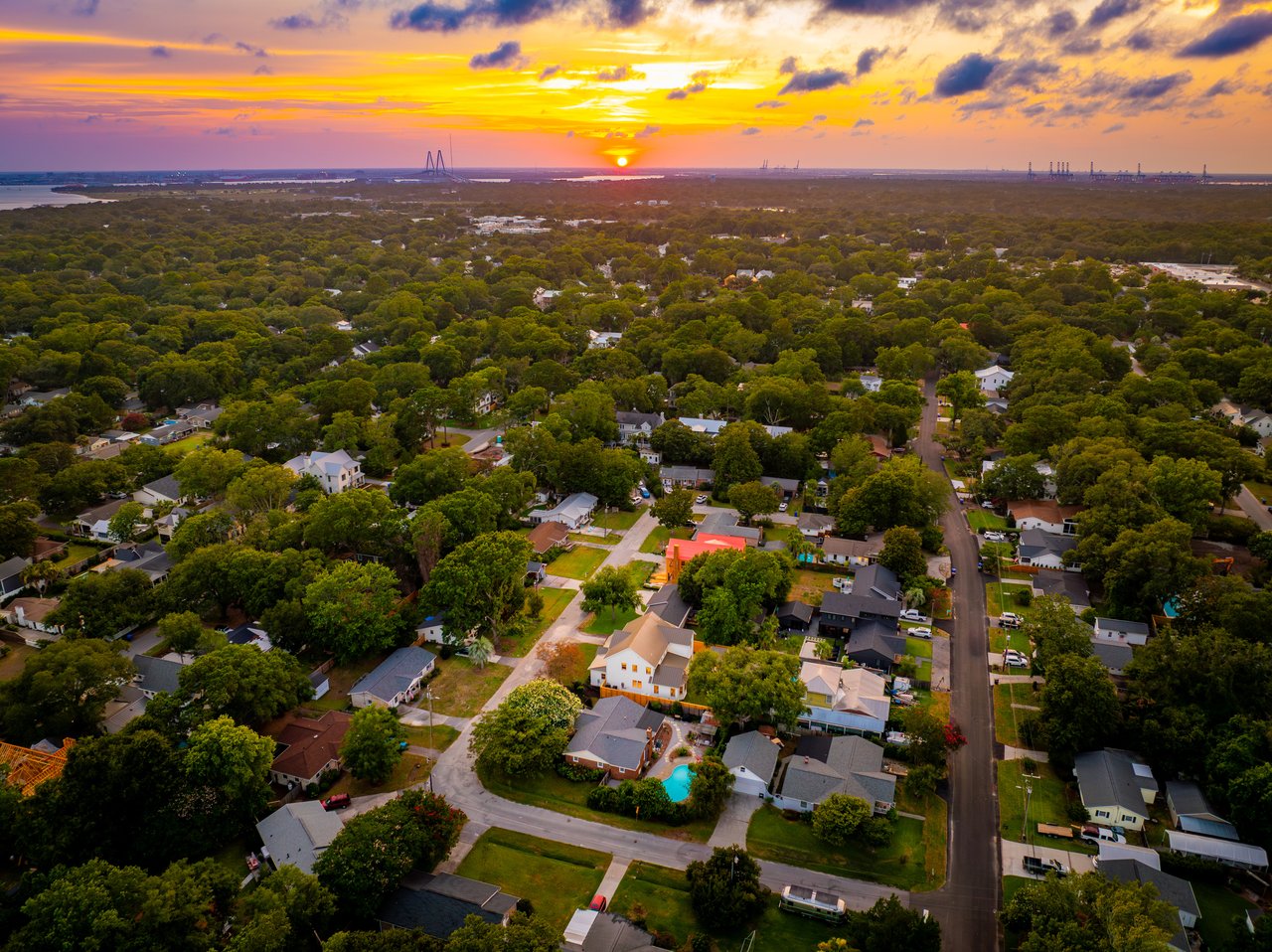
Demand for single-family homes remains strong-especially among growing families and retirees. The continued popularity of remote work is pushing buyers toward suburban neighborhoods and homes with more indoor and outdoor space. Sellers are responding with competitive pricing, which often produces multiple offers and faster sales.
Those preferences for larger homes and yards mirror national shifts seen since the pandemic.
Post-COVID Homebuyer Preferences & Market Value Trends
*National surveys show COVID-19 changed buyer priorities toward larger homes and bigger lots. This paper asks whether those stated preferences translated into higher market values for space. Results indicate substantial increases in the willingness to pay for interior and exterior space after COVID, continuing through 2023.*
*Single-family home spaciousness and COVID-19, K Ihlanfeldt, 2025*
What does The Andy Bovender Team predict for Wilmington in 2026?
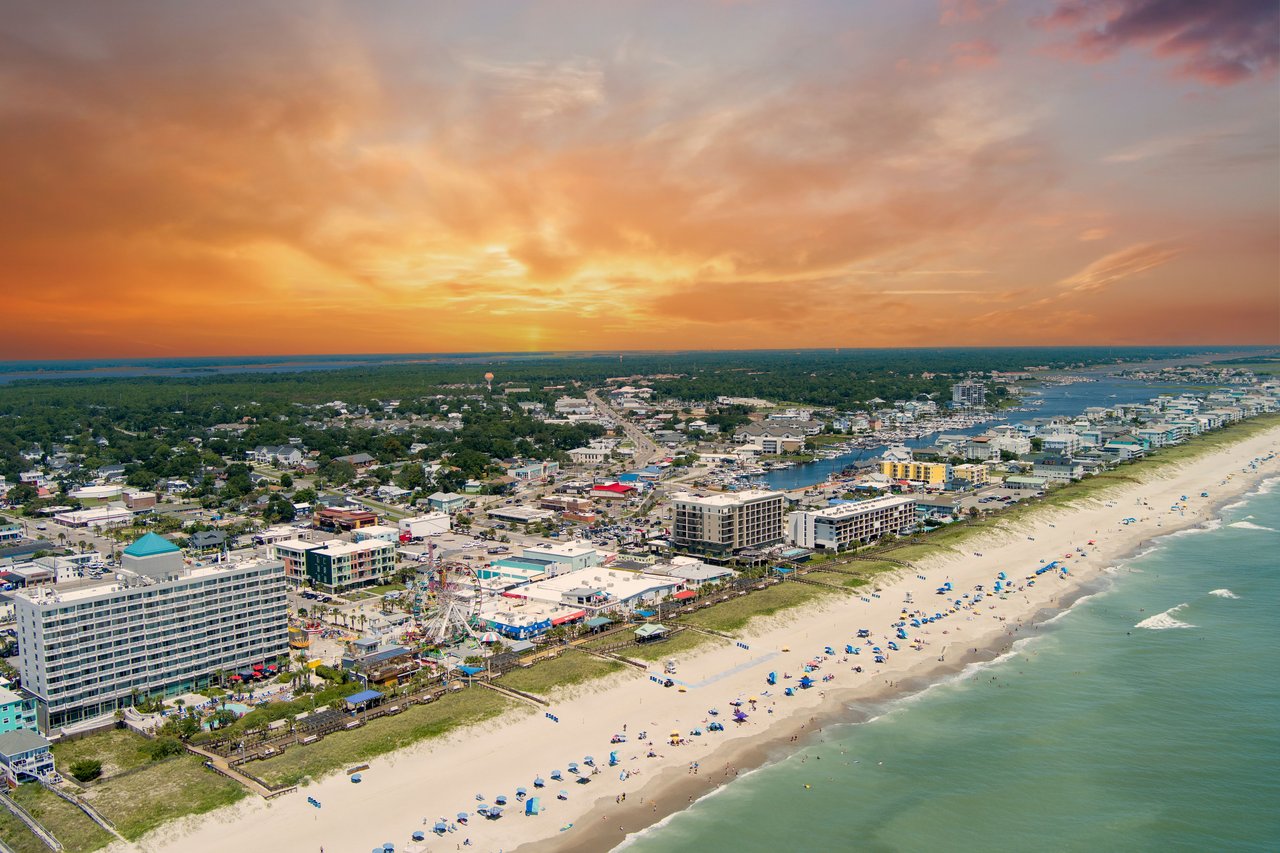
The Andy Bovender Team expects moderate growth in 2026, forecasting median prices may rise another 3–5%. Our recommendation: understand neighborhood-level dynamics and move decisively when the right property appears-inventory remains relatively tight. We also expect continued interest in luxury and waterfront homes as more buyers prioritize lifestyle and views.
How does inventory influence Wilmington market conditions?
Inventory levels are a key driver of pricing and the speed of sales in Wilmington. Supply trends directly affect competitiveness and seller leverage.
What is the current housing supply and inventory level?
In early 2026 Wilmington’s available housing supply is low-roughly two months of inventory. That scarcity creates competition among buyers, producing bidding situations and upward pressure on prices. A slowdown in new construction plus steady demand are the main contributors to this tight supply.
Local zoning and development limits can further constrain supply and push prices higher.
How Land-Use Constraints Influence Housing Prices
*Restrictions like tight zoning and low development ceilings tend to raise land and housing prices by limiting the supply of new homes.*
*The effects of land-use constraints on housing prices, HO Pollakowski, 1990*
How does low inventory affect pricing and how fast homes sell?
With limited inventory, desirable homes move quickly-often within a week of listing. That faster turnover lifts prices as buyers are willing to pay premiums to secure properties in favored areas. This pattern is likely to continue while supply remains tight.
Is Wilmington a buyer’s market or a seller’s market in 2026?
Knowing which side holds the advantage helps buyers and sellers plan strategy.
What determines whether Wilmington favors buyers or sellers right now?
Wilmington currently leans toward a seller’s market because of low inventory and steady demand. Sellers generally have the upper hand, frequently receiving multiple offers and achieving competitive pricing. Interest rates, regional job growth, and broader economic conditions also influence the balance.
How should buyers and sellers adjust their strategies?
Buyers should be prepared to move quickly and present strong, well-structured offers. Working with a knowledgeable real estate agent can make the difference in tight markets. Sellers should price strategically to attract attention while maximizing returns-and be ready to respond efficiently to serious offers.
Which Wilmington neighborhoods have distinctive market traits?
Wilmington’s neighborhoods each carry their own character, price points, and demand patterns. Recognizing those differences helps narrow your search or refine investment targets.
How are Wrightsville Beach, Ogden, and Porters Neck performing?
Wrightsville Beach remains highly sought after, with luxury homes commonly above $1 million. Ogden-appealing to families-offers more moderate pricing, averaging about $360,000. Porters Neck, known for golf-course living, has seen growing demand with average prices around $525,000. Each area suits different buyer priorities and budgets.
How do luxury and waterfront properties fare in Wilmington?
Luxury and waterfront homes have shown resilience and often appreciate faster than other segments. Buyers are drawn to lifestyle benefits and premium amenities, which keeps competition strong and prices robust. The Andy Bovender Team believes well-chosen waterfront or luxury investments can produce attractive returns as Wilmington’s popularity grows.
What investment opportunities does Wilmington offer in 2026?
Wilmington presents several investment pathways for those looking to benefit from local growth and demand trends.Wilmington’s housing market moves with the broader economy and the pace of local development. Heading into 2026, having a clear picture of prices, inventory, and neighborhood differences matters whether you’re buying, selling, or investing. This guide breaks down current home values, notable market trends, inventory levels, and neighborhood highlights so you can make confident choices in the Wilmington market.
Where do Wilmington home prices and values stand today?
Home values in Wilmington are shaped by demand, available inventory, and local economic conditions. As of early 2026, the median home price has edged higher, reflecting steady buyer interest across the region.
Outside economic drivers, local environmental events can also affect property values.
Wilmington NC Housing Prices: Impact of Wind Events
*This study looks at how severe wind events change the average and variability of housing price indices in six metropolitan areas prone to hurricanes or tornadoes. The research includes three hurricane-exposed metros (Corpus Christi, Miami, and Wilmington, NC). Findings show an immediate-though typically short-lived-drop in housing prices after a tornado or hurricane. Overall, windstorms are associated with an immediate 0.5% to 2% reduction in total MSA housing value.*
*Local housing price index analysis in wind-disaster-prone areas, BT Ewing, 2007*
How did median prices change through 2025 into early 2026?
Median prices in Wilmington have climbed gradually over the last year. In 2025 the median home price was about $340,000; by early 2026 it sat near $355,000. That increase reflects moderate inventory and consistent demand as more families and relocators choose Wilmington’s coastal lifestyle.
How do home values vary across Wilmington neighborhoods?
Prices differ widely by neighborhood. Wrightsville Beach and Landfall typically average over $1 million, while more affordable areas such as Castle Hayne and the Northside tend to fall in the $275,000–$325,000 range. That spread gives buyers options across budgets and lifestyles.
Which trends and forecasts are shaping Wilmington’s 2026 housing market?
Which property types and neighborhoods offer the best upside for investors?
Single-family homes in up-and-coming neighborhoods are likely to deliver steady appreciation. Multi-family properties in high-demand corridors can offer reliable rental income and long-term value. We advise focusing on areas with planned infrastructure upgrades and amenity improvements-those often drive future appreciation.
How do affordability and market recovery shape investment choices?
Affordability is central for investors as prices rise. Look for properties that offer strong value relative to location and upside potential. As the market steadies after recent fluctuations, prioritize acquisitions that match long-term trends rather than short-term speculation.
| Neighborhood | Average Home Price | Market Trend |
|---|---|---|
| Wrightsville Beach | $1,200,000 | High demand for luxury properties |
| Ogden | $360,000 | Steady growth with family appeal |
| Porters Neck | $525,000 | Increasing interest in golf communities |
Wilmington’s market is defined by diverse neighborhoods, active buyer interest, and limited supply in many segments. Moving into 2026, understanding these local dynamics will help you buy, sell, or invest with confidence. The Andy Bovender Team is here to help you translate market insight into the right move for your goals.
Frequently Asked Questions
What are the main factors driving Wilmington’s real estate market?
Wilmington’s market is driven by local economic trends, job growth, and demographic shifts. Families and retirees drawn to the coast boost demand, and remote work has increased interest in suburban homes with more space. Environmental risks-like the effect of wind events on property values-also influence buyer behavior and pricing.
How do interest rates affect the Wilmington housing market?
Interest rates shape mortgage affordability and therefore buyer demand. Lower rates typically increase purchasing power and boost activity; higher rates can cool demand and temper price growth. Staying aware of rate trends in early 2026 is important for timing and offer strategy.
What should first-time homebuyers know about Wilmington?
First-time buyers should expect a competitive market with limited inventory and rising prices. Set a clear budget, get pre-approved, and be ready to act quickly when the right property appears. Working with a local, experienced agent can help you find opportunities and navigate bidding situations. Learn neighborhood differences to match your lifestyle and price range.
Are there upcoming developments that could affect the market?
Yes. Planned infrastructure projects-new roads, public amenities-and upcoming residential developments can change supply and desirability in targeted neighborhoods. These improvements often boost property values, so tracking local planning and construction can reveal near-term opportunities.
What role do local schools play in home values?
School quality matters-especially for families. Homes in highly rated school districts usually command higher prices and sell faster. Buyers frequently prioritize school access, so understanding district ratings is an important part of any neighborhood search.
How can investors find the best opportunities in Wilmington?
Investors should target neighborhoods with signs of growth-new amenities, planned infrastructure, or rising demand for rentals. Analyze trends like single-family demand and multi-family rental markets, and work with local experts to uncover areas where value and future appreciation align.
Conclusion
Heading into 2026, Wilmington remains a competitive, opportunity-rich real estate market shaped by limited inventory, steady population growth, and strong lifestyle-driven demand. Gradually rising prices, distinct neighborhood dynamics, and continued interest in luxury and waterfront homes suggest buyers and investors need to be prepared, informed, and decisive.
Whether you’re purchasing a primary residence or evaluating investment opportunities, success in Wilmington comes from understanding neighborhood-level trends, acting quickly in a tight inventory environment, and aligning purchases with long-term growth drivers rather than short-term swings. With the right strategy and local expertise, Wilmington’s 2026 housing market offers solid potential for both stability and growth.
As we look toward 2026, several trends are steering the local market. Recognizing these patterns helps buyers and sellers set realistic expectations and timing.
What trends are driving buyer demand and seller activity?
Demand for single-family homes remains strong-especially among growing families and retirees. The continued popularity of remote work is pushing buyers toward suburban neighborhoods and homes with more indoor and outdoor space. Sellers are responding with competitive pricing, which often produces multiple offers and faster sales.
Those preferences for larger homes and yards mirror national shifts seen since the pandemic.
Post-COVID Homebuyer Preferences & Market Value Trends
*National surveys show COVID-19 changed buyer priorities toward larger homes and bigger lots. This paper asks whether those stated preferences translated into higher market values for space. Results indicate substantial increases in the willingness to pay for interior and exterior space after COVID, continuing through 2023.*
*Single-family home spaciousness and COVID-19, K Ihlanfeldt, 2025*
What does The Andy Bovender Team predict for Wilmington in 2026?
The Andy Bovender Team expects moderate growth in 2026, forecasting median prices may rise another 3–5%. Our recommendation: understand neighborhood-level dynamics and move decisively when the right property appears-inventory remains relatively tight. We also expect continued interest in luxury and waterfront homes as more buyers prioritize lifestyle and views.
How does inventory influence Wilmington market conditions?
Inventory levels are a key driver of pricing and the speed of sales in Wilmington. Supply trends directly affect competitiveness and seller leverage.
What is the current housing supply and inventory level?
In early 2026 Wilmington’s available housing supply is low-roughly two months of inventory. That scarcity creates competition among buyers, producing bidding situations and upward pressure on prices. A slowdown in new construction plus steady demand are the main contributors to this tight supply.
Local zoning and development limits can further constrain supply and push prices higher.
How Land-Use Constraints Influence Housing Prices
*Restrictions like tight zoning and low development ceilings tend to raise land and housing prices by limiting the supply of new homes.*
*The effects of land-use constraints on housing prices, HO Pollakowski, 1990*
How does low inventory affect pricing and how fast homes sell?
With limited inventory, desirable homes move quickly-often within a week of listing. That faster turnover lifts prices as buyers are willing to pay premiums to secure properties in favored areas. This pattern is likely to continue while supply remains tight.
Is Wilmington a buyer’s market or a seller’s market in 2026?
Knowing which side holds the advantage helps buyers and sellers plan strategy.
What determines whether Wilmington favors buyers or sellers right now?
Wilmington currently leans toward a seller’s market because of low inventory and steady demand. Sellers generally have the upper hand, frequently receiving multiple offers and achieving competitive pricing. Interest rates, regional job growth, and broader economic conditions also influence the balance.
How should buyers and sellers adjust their strategies?
Buyers should be prepared to move quickly and present strong, well-structured offers. Working with a knowledgeable real estate agent can make the difference in tight markets. Sellers should price strategically to attract attention while maximizing returns-and be ready to respond efficiently to serious offers.
Which Wilmington neighborhoods have distinctive market traits?
Wilmington’s neighborhoods each carry their own character, price points, and demand patterns. Recognizing those differences helps narrow your search or refine investment targets.
How are Wrightsville Beach, Ogden, and Porters Neck performing?
Wrightsville Beach remains highly sought after, with luxury homes commonly above $1 million. Ogden-appealing to families-offers more moderate pricing, averaging about $360,000. Porters Neck, known for golf-course living, has seen growing demand with average prices around $525,000. Each area suits different buyer priorities and budgets.
How do luxury and waterfront properties fare in Wilmington?
Luxury and waterfront homes have shown resilience and often appreciate faster than other segments. Buyers are drawn to lifestyle benefits and premium amenities, which keeps competition strong and prices robust. The Andy Bovender Team believes well-chosen waterfront or luxury investments can produce attractive returns as Wilmington’s popularity grows.
What investment opportunities does Wilmington offer in 2026?
Wilmington presents several investment pathways for those looking to benefit from local growth and demand trends.Wilmington’s housing market moves with the broader economy and the pace of local development. Heading into 2026, having a clear picture of prices, inventory, and neighborhood differences matters whether you’re buying, selling, or investing. This guide breaks down current home values, notable market trends, inventory levels, and neighborhood highlights so you can make confident choices in the Wilmington market.
Where do Wilmington home prices and values stand today?
Home values in Wilmington are shaped by demand, available inventory, and local economic conditions. As of early 2026, the median home price has edged higher, reflecting steady buyer interest across the region.
Outside economic drivers, local environmental events can also affect property values.
Wilmington NC Housing Prices: Impact of Wind Events
*This study looks at how severe wind events change the average and variability of housing price indices in six metropolitan areas prone to hurricanes or tornadoes. The research includes three hurricane-exposed metros (Corpus Christi, Miami, and Wilmington, NC). Findings show an immediate-though typically short-lived-drop in housing prices after a tornado or hurricane. Overall, windstorms are associated with an immediate 0.5% to 2% reduction in total MSA housing value.*
*Local housing price index analysis in wind-disaster-prone areas, BT Ewing, 2007*
How did median prices change through 2025 into early 2026?
Median prices in Wilmington have climbed gradually over the last year. In 2025 the median home price was about $340,000; by early 2026 it sat near $355,000. That increase reflects moderate inventory and consistent demand as more families and relocators choose Wilmington’s coastal lifestyle.
How do home values vary across Wilmington neighborhoods?
Prices differ widely by neighborhood. Wrightsville Beach and Landfall typically average over $1 million, while more affordable areas such as Castle Hayne and the Northside tend to fall in the $275,000–$325,000 range. That spread gives buyers options across budgets and lifestyles.
Which trends and forecasts are shaping Wilmington’s 2026 housing market?
Which property types and neighborhoods offer the best upside for investors?
Single-family homes in up-and-coming neighborhoods are likely to deliver steady appreciation. Multi-family properties in high-demand corridors can offer reliable rental income and long-term value. We advise focusing on areas with planned infrastructure upgrades and amenity improvements-those often drive future appreciation.
How do affordability and market recovery shape investment choices?
Affordability is central for investors as prices rise. Look for properties that offer strong value relative to location and upside potential. As the market steadies after recent fluctuations, prioritize acquisitions that match long-term trends rather than short-term speculation.
| Neighborhood | Average Home Price | Market Trend |
|---|---|---|
| Wrightsville Beach | $1,200,000 | High demand for luxury properties |
| Ogden | $360,000 | Steady growth with family appeal |
| Porters Neck | $525,000 | Increasing interest in golf communities |
Wilmington’s market is defined by diverse neighborhoods, active buyer interest, and limited supply in many segments. Moving into 2026, understanding these local dynamics will help you buy, sell, or invest with confidence. The Andy Bovender Team is here to help you translate market insight into the right move for your goals.
Frequently Asked Questions
What are the main factors driving Wilmington’s real estate market?
Wilmington’s market is driven by local economic trends, job growth, and demographic shifts. Families and retirees drawn to the coast boost demand, and remote work has increased interest in suburban homes with more space. Environmental risks-like the effect of wind events on property values-also influence buyer behavior and pricing.
How do interest rates affect the Wilmington housing market?
Interest rates shape mortgage affordability and therefore buyer demand. Lower rates typically increase purchasing power and boost activity; higher rates can cool demand and temper price growth. Staying aware of rate trends in early 2026 is important for timing and offer strategy.
What should first-time homebuyers know about Wilmington?
First-time buyers should expect a competitive market with limited inventory and rising prices. Set a clear budget, get pre-approved, and be ready to act quickly when the right property appears. Working with a local, experienced agent can help you find opportunities and navigate bidding situations. Learn neighborhood differences to match your lifestyle and price range.
Are there upcoming developments that could affect the market?
Yes. Planned infrastructure projects-new roads, public amenities-and upcoming residential developments can change supply and desirability in targeted neighborhoods. These improvements often boost property values, so tracking local planning and construction can reveal near-term opportunities.
What role do local schools play in home values?
School quality matters-especially for families. Homes in highly rated school districts usually command higher prices and sell faster. Buyers frequently prioritize school access, so understanding district ratings is an important part of any neighborhood search.
How can investors find the best opportunities in Wilmington?
Investors should target neighborhoods with signs of growth-new amenities, planned infrastructure, or rising demand for rentals. Analyze trends like single-family demand and multi-family rental markets, and work with local experts to uncover areas where value and future appreciation align.
Conclusion
Heading into 2026, Wilmington remains a competitive, opportunity-rich real estate market shaped by limited inventory, steady population growth, and strong lifestyle-driven demand. Gradually rising prices, distinct neighborhood dynamics, and continued interest in luxury and waterfront homes suggest buyers and investors need to be prepared, informed, and decisive.
Whether you’re purchasing a primary residence or evaluating investment opportunities, success in Wilmington comes from understanding neighborhood-level trends, acting quickly in a tight inventory environment, and aligning purchases with long-term growth drivers rather than short-term swings. With the right strategy and local expertise, Wilmington’s 2026 housing market offers solid potential for both stability and growth.