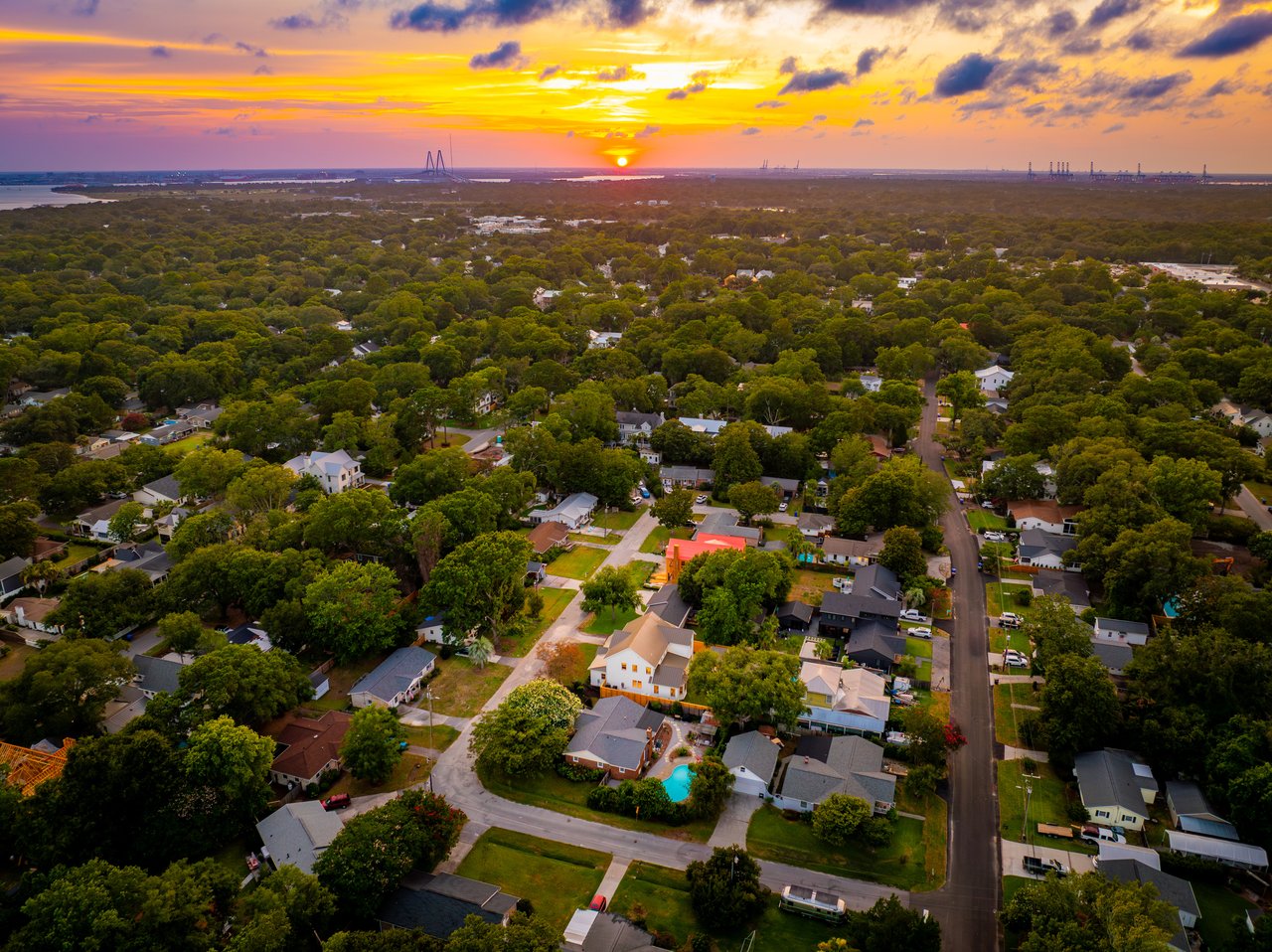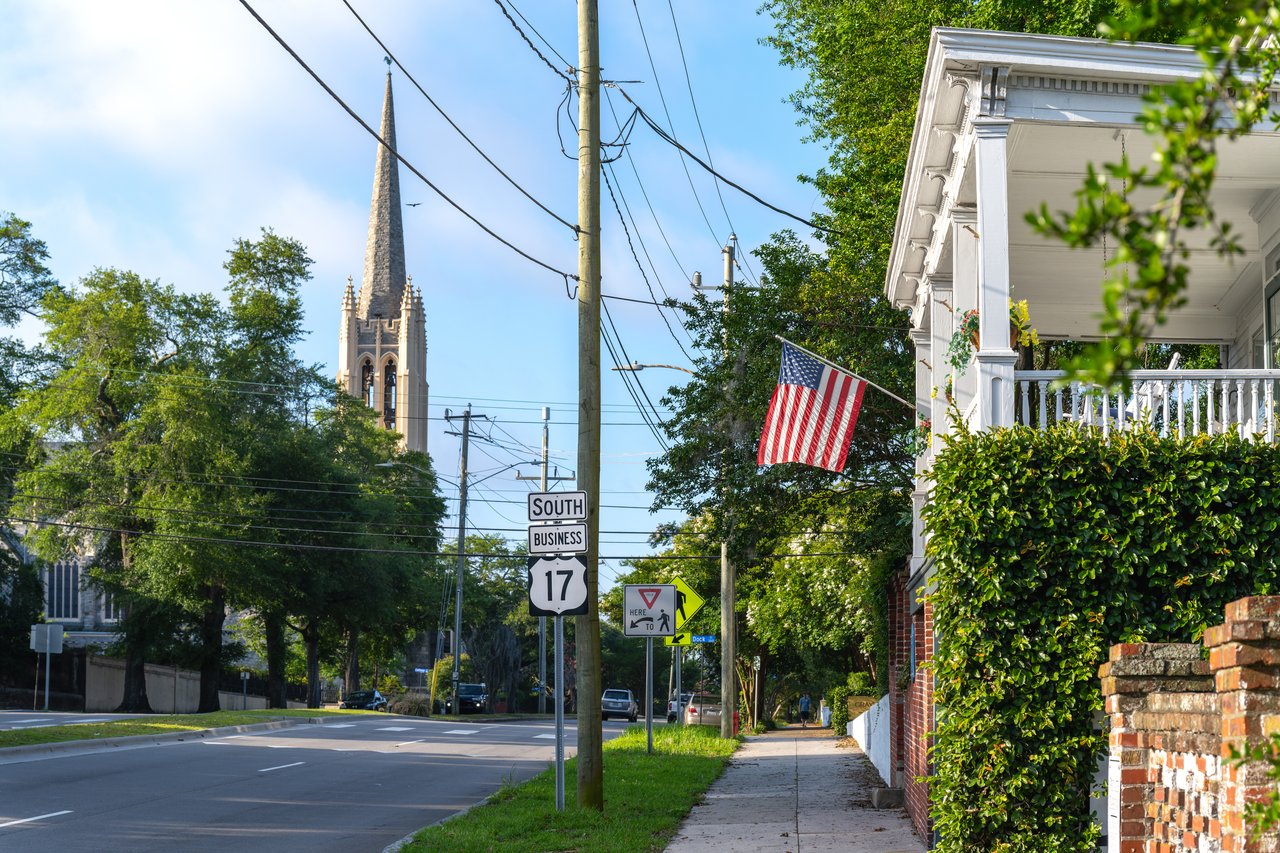
Charleston, South Carolina, blends historic charm, coastal lifestyle, and growing job centers - all of which shape its housing market. If you’re wondering, "Is Charleston SC a good place to sell real estate in 2026?", this piece walks sellers through the trends, what’s driving demand, and practical pricing and marketing moves that work here. We’ll also cover local considerations that matter to buyers and sellers, plus a forward-looking snapshot of where the market may head.
What Are the Current Charleston SC Real Estate Market Trends in 2026?
Right now, Charleston’s market is defined by tight supply and steady buyer interest. Inventory sits below long-term averages, which fuels competition and shortens time on market for well-priced homes. Mortgage rates are higher than the lows of recent years, which affects affordability for some buyers, but the city’s desirability keeps demand relatively resilient. Knowing these forces helps sellers choose the right timing and positioning for their listings.
How Do Inventory Levels and Days on Market Affect Sellers?
With fewer homes available, buyers often compete quickly - multiple-offer situations are still common in desirable neighborhoods. Many listings are receiving offers within days to a couple of weeks. Sellers can use that environment to their advantage by pricing with confidence, preparing the property for fast showings, and having a clear negotiation plan.
It’s also useful to think about market liquidity: how easily homes convert to sales at market value. In markets where transaction volume and prices move together, timing and pricing strategies can be particularly important for capturing full value.
Real Estate Market Liquidity & Seller Dynamics
*In real estate, liquidity refers to how quickly properties sell at or near their value, measured by transaction volume. Tracking shifts in reservation prices on both the buyer (demand) and seller (supply) sides helps explain price and volume patterns. A Liquidity Metric built from these indexes shows that commercial property markets often move “pro-cyclically,” with prices and trading volume rising and falling together, and demand typically leading supply.*
*The dynamics of liquidity in commercial property markets: Revisiting supply and demand indexes in real estate, DW van Dijk, 2022*
What Is the Influence of Mortgage Rates on Charleston's Housing Market?
Mortgage rates affect how much buyers can afford, which in turn shapes bidding behavior and price pressure. As rates climbed from record lows, some buyers tightened budgets or delayed purchases. Still, Charleston’s limited housing stock and strong lifestyle appeal keep many buyers active. Sellers should factor in current rate levels when setting list prices and when evaluating offers that may include different financing terms.
Why Is Charleston SC Considered a Seller's Market in 2026?
How Do Relocation and Economic Growth Fuel Seller Demand?
Local job growth - especially in tourism, healthcare, and tech-related services - brings new residents looking for housing. Relocations from other states, driven by lifestyle and employment opportunities, add to buyer competition. Sellers gain an edge when they highlight the neighborhood benefits and lifestyle amenities that attract these buyers.
What Role Does Property Value Appreciation Play for Sellers?
Many Charleston homeowners have seen appreciation in recent years, which can make selling appealing now. Rising values give sellers pricing leverage and the potential to realize meaningful gains. That said, expectations should be grounded in current market comparables and neighborhood-specific demand.
How Can Sellers Strategically Price Their Homes in Charleston SC?
What Is Comparative Market Analysis and Its Importance?
A comparative market analysis (CMA) reviews recent sales of similar homes in your neighborhood to estimate fair market value. A well-prepared CMA accounts for condition, upgrades, and local demand patterns. Working with a knowledgeable real estate agent ensures the CMA reflects on-the-ground realities and helps you choose an optimal listing strategy.
How Do Neighborhood-Specific Trends Influence Pricing?
Neighborhood factors - schools, walkability, nearby amenities, and planned developments - shape buyer preferences and price sensitivity. Sellers should compare their home not just to similar houses but to what buyers in that specific community value most.
What Are Effective Home Preparation and Marketing Tips for Charleston Sellers?
Getting a home market-ready and visible is essential in a competitive market. Small investments that improve presentation often yield disproportionate returns.
How Does Home Staging and Curb Appeal Impact Sale Success?
Staging helps buyers imagine living in the space; curb appeal sets the first impression. Simple fixes - fresh paint, tidy landscaping, and minor repairs - plus professional staging when appropriate, can shorten time on market and increase offer quality.
What Marketing Techniques Boost Visibility in Charleston's Market?
High-quality photography, virtual tours, and targeted online listings reach buyers where they search. Social media, neighborhood networks, and broker outreach broaden exposure. For many Charleston sellers, combining professional visuals with a focused local marketing push generates the most traffic.
How Do Local Factors Like Flood Zones and Historic Districts Affect Selling in Charleston?
What Are the Implications of Flood Zones on Insurance and Buyer Interest?
Homes in flood-prone areas may carry higher insurance costs and require specific disclosures. Some buyers will factor those costs into offers, so sellers should be transparent and consider carrying flood coverage when appropriate to reduce buyer uncertainty.
How Do Historic Home Regulations Influence the Selling Process?
Historic homes often come with renovation and maintenance rules that buyers must follow. While those restrictions can raise renovation costs, they also preserve character - a selling point for many buyers. Highlighting the home’s historic features and any preservation benefits helps attract buyers who appreciate that value.
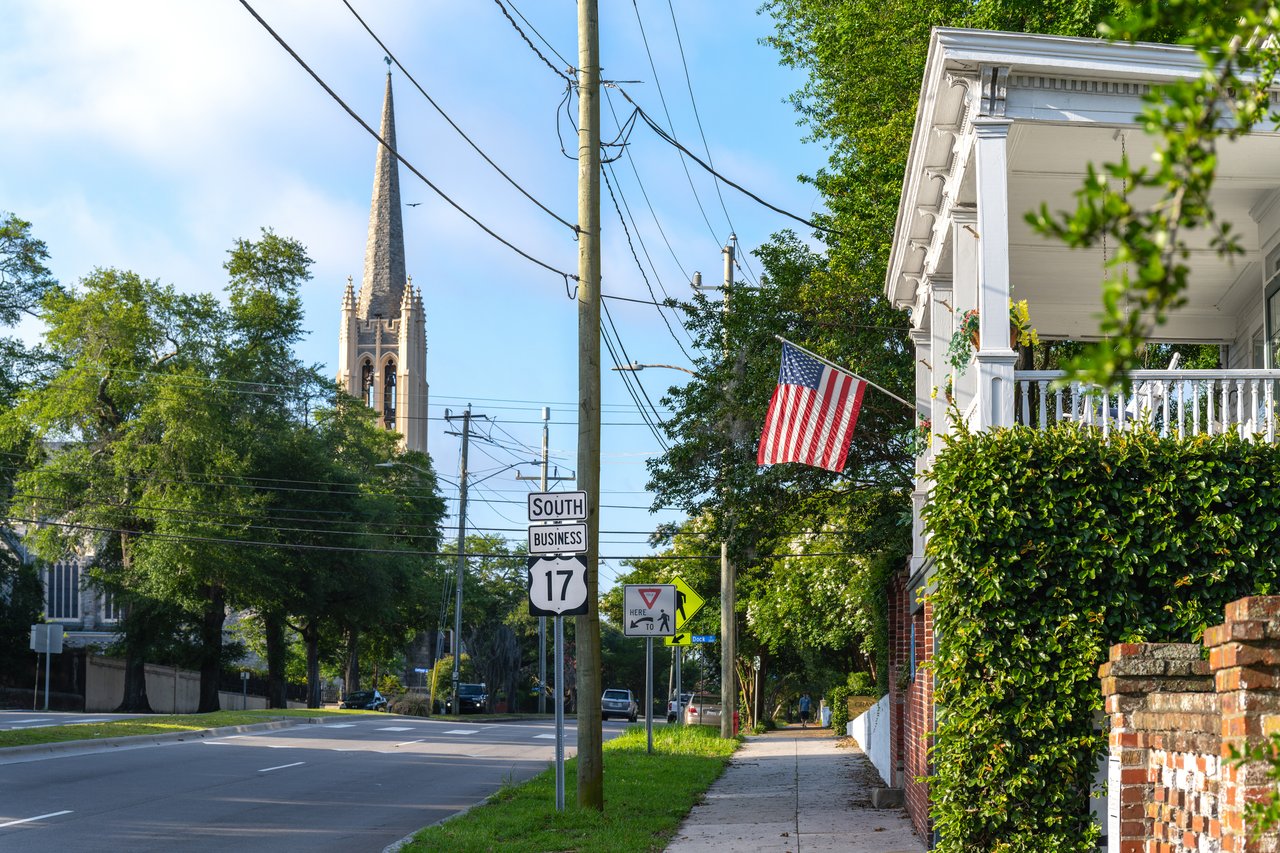
Charleston’s long-standing commitment to preserving its cultural and architectural heritage is a defining part of the city’s identity and appeal.
Charleston SC Historic Preservation & Real Estate
*Charleston’s preservation movement has deep roots. For nearly a century, local leaders and residents have promoted protecting the city’s distinctive buildings and public spaces. That preservation ethos-dating back to the city’s early government mottos about protecting customs, buildings, and laws-has shaped how Charleston looks and feels today, and it continues to guide decisions about historic properties.*
*Charleston: Guarding Her Customs, Buildings, and Laws, 1970*
Those preservation efforts can also influence market value: historic designation often preserves neighborhood character, which many buyers prize.
Historic Preservation's Impact on Property Values
*Across US cities, historic preservation has been used to stabilize and revive neighborhoods. While preservation rules can add cost and complexity to improvements, several studies have found a net positive effect on home values in designated districts. The balance between regulatory cost and value uplift varies by location, but designation often preserves long-term neighborhood appeal.*
*Historical preservation districts and home sale prices: evidence from the Sacramento housing market, DE Clark, 1997*
What Is the Charleston SC Real Estate Market Forecast for Sellers in 2026 and Beyond?
How Are Home Prices and Inventory Expected to Change?
Most forecasts point to steady, moderate price appreciation as long as demand remains strong relative to available homes. Inventory could slowly improve, which may temper the pace of price gains, but sellers should still expect active interest on well-priced properties.
What Economic and Demographic Factors Will Impact Seller Opportunities?
Job creation, population inflows, and changing buyer priorities (remote work, lifestyle amenities) will all shape demand. Sellers who understand local buyer profiles and tailor presentation and marketing accordingly will see the best outcomes.
| Factor | Description | Impact |
|---|---|---|
| Economic Growth | Job creation in key industries | Stronger demand for housing |
| Relocation Trends | Influx of new residents | Higher buyer competition |
| Property Value Appreciation | Rising home values | Greater potential sale prices |
This summary shows how several local forces combine to support a seller-friendly market today - and why understanding them helps you plan your sale strategy.
For sellers in 2026, Charleston offers strong opportunities when listings are priced thoughtfully, prepared for quick buyer decisions, and marketed to the right audience.
Frequently Asked Questions
What are the best times of year to sell a home in Charleston?
Spring and early summer are traditionally the busiest selling seasons: families move before school starts, and curb appeal is at its peak. Local events and neighborhood rhythms can also affect buyer traffic, so timing your listing around those factors can help.
How can sellers effectively market their homes in a competitive market?
Use professional photos and virtual tours, craft clear online descriptions, and work with an agent who knows Charleston’s neighborhoods. Combine targeted online advertising, social channels, and local outreach (open houses, broker tours) to reach active buyers quickly.
What should sellers disclose to potential buyers in Charleston?
Sellers must disclose known property defects, title issues, and the presence of lead-based paint in homes built before 1978. Disclosing flood zone designations and any other relevant local conditions helps buyers understand long-term costs and reduces the risk of disputes.
How does the local economy affect home selling in Charleston?
A healthy local economy-job growth, business investment, low unemployment-supports demand and pricing. If the economy weakens, buyer demand can soften and prices may adjust. Sellers who monitor local economic indicators can better time their listings.
What are the benefits of working with a local real estate agent?
Local agents bring neighborhood knowledge, pricing insight, and community connections. They help position the home, coordinate marketing, screen buyers, and negotiate offers so you can move through the process with confidence.
How can sellers prepare their homes for a successful sale?
Start with decluttering and deep cleaning, complete necessary repairs, and address visible maintenance items. Invest in staging or targeted updates where they make the most impact, and boost curb appeal with landscaping and a fresh exterior touch. These steps help homes show well and command stronger offers.
Conclusion
In 2026, Charleston remains a strong market for sellers thanks to limited inventory, steady buyer demand, and ongoing relocation and job growth. Sellers who price realistically, prepare homes well, and market to the right buyers can expect solid interest and favorable outcomes despite higher mortgage rates.